
Logo Design & Visual Identity: Foundations of Strong Digital Brands
Explore how effective logo design and cohesive visual identity build brand trust, recognition, and loyalty in the fast-paced digital marketplace.

- hirbodchoobak@gmail.com
- ⏱ 8 min read
Logo Design and Visual Identity: Foundations of a Successful Brand in the Digital Space
In the competitive world of the internet, your brand’s first impression often happens online. Whether it’s your website, social media profile, or digital advertisement, logo design and visual identity play a critical role in how your brand is perceived. A strong visual identity builds trust, recognition, and loyalty — all essential for business success in today’s fast-paced digital market.
What is a Logo?
A logo is a visual mark or emblem that represents your brand. It’s the most recognizable part of your brand identity and often the first element people notice.
A great logo is:
Memorable: Easy to recognize and recall.
Timeless: Stays relevant for years, avoiding overly trendy designs.
Versatile: Works well in different sizes and on various platforms.
Relevant: Reflects your brand’s industry, mission, and personality.
The Role of Visual Identity
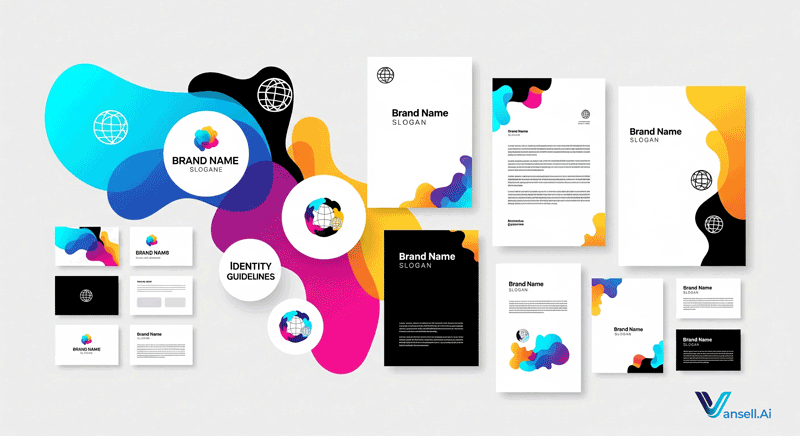
While a logo is an important symbol, visual identity encompasses the broader set of design elements that communicate your brand consistently. This includes:
Color palette
Typography
Imagery style
Patterns and textures
Brand guidelines
Visual identity ensures that every touchpoint — from your website to packaging — delivers a cohesive and recognizable brand experience.
Why Logo and Visual Identity Matter in the Digital Age
Instant Recognition: A distinctive logo and consistent visuals make it easy for users to identify your brand in crowded digital spaces.
Building Trust: Professional, cohesive design signals credibility and reliability.
Emotional Connection: Colors, shapes, and imagery evoke emotions that influence buying decisions.
Differentiation: Strong branding sets you apart from competitors.
Principles of Effective Logo Design
Simplicity
A clean, uncluttered design ensures your logo is legible and impactful in any size.Scalability
Your logo should look equally good on a business card, website header, or billboard.Relevance
Design choices should align with your brand’s values and industry.Uniqueness
Avoid generic elements that could be mistaken for other brands.Balance and Proportion
Visual harmony makes a logo more aesthetically pleasing.
Key Elements of Visual Identity
Color Palette
Colors convey mood and personality. Select a primary color and complementary tones that align with your brand.Typography
Choose fonts that enhance readability and reflect your brand’s style.Imagery and Iconography
Consistent style in photos and icons strengthens brand recognition.Layout and Composition
Organized design improves user experience across digital platforms.
Creating a Cohesive Brand Presence Online
Consistent Application: Use your logo, colors, and fonts consistently on your website, social media, and marketing materials.
Responsive Design: Ensure your logo and visuals adapt seamlessly to different screen sizes.
Brand Guidelines: Document how to use your visual elements to maintain uniformity.
Quality over Quantity: Focus on fewer, high-quality visual elements rather than overwhelming designs.
Common Mistakes to Avoid
Overcomplicating the logo with too many details.
Using inconsistent color schemes or fonts.
Ignoring scalability for mobile devices.
Copying competitor designs.
Failing to update outdated branding.
The Process of Creating a Logo and Visual Identity
Research and Strategy: Understand your target audience and competitors.
Concept Development: Sketch and brainstorm visual ideas.
Design and Refinement: Create digital drafts and refine based on feedback.
Testing: Evaluate how the logo performs in different contexts.
Implementation: Roll out the final design across all brand materials.
The Future of Brand Visuals in the Web Era
With the rise of AI-generated design tools, motion logos, and immersive branding, visual identity is evolving rapidly. However, the core principles — clarity, consistency, and emotional resonance — will always remain the backbone of successful branding.
Conclusion
Your logo and visual identity are more than just design elements — they are the face and personality of your brand. In the digital space, where first impressions happen in milliseconds, investing in professional logo design and a cohesive visual identity is one of the most valuable steps you can take to build trust, stand out, and achieve long-term success.https://vansell.ai/web-design/